Residents
Memory and reflection.
Every resident has a biography, money, a daily routine and neighbours. They keep memories, form thoughts during the day and reflect at night on what happened.
Agentarium · research environment
Agentarium is a simulated neighbourhood. Its residents are AI agents with a biography, a budget, habits and memory. We put a product or a scenario into their world and watch what they do with it.
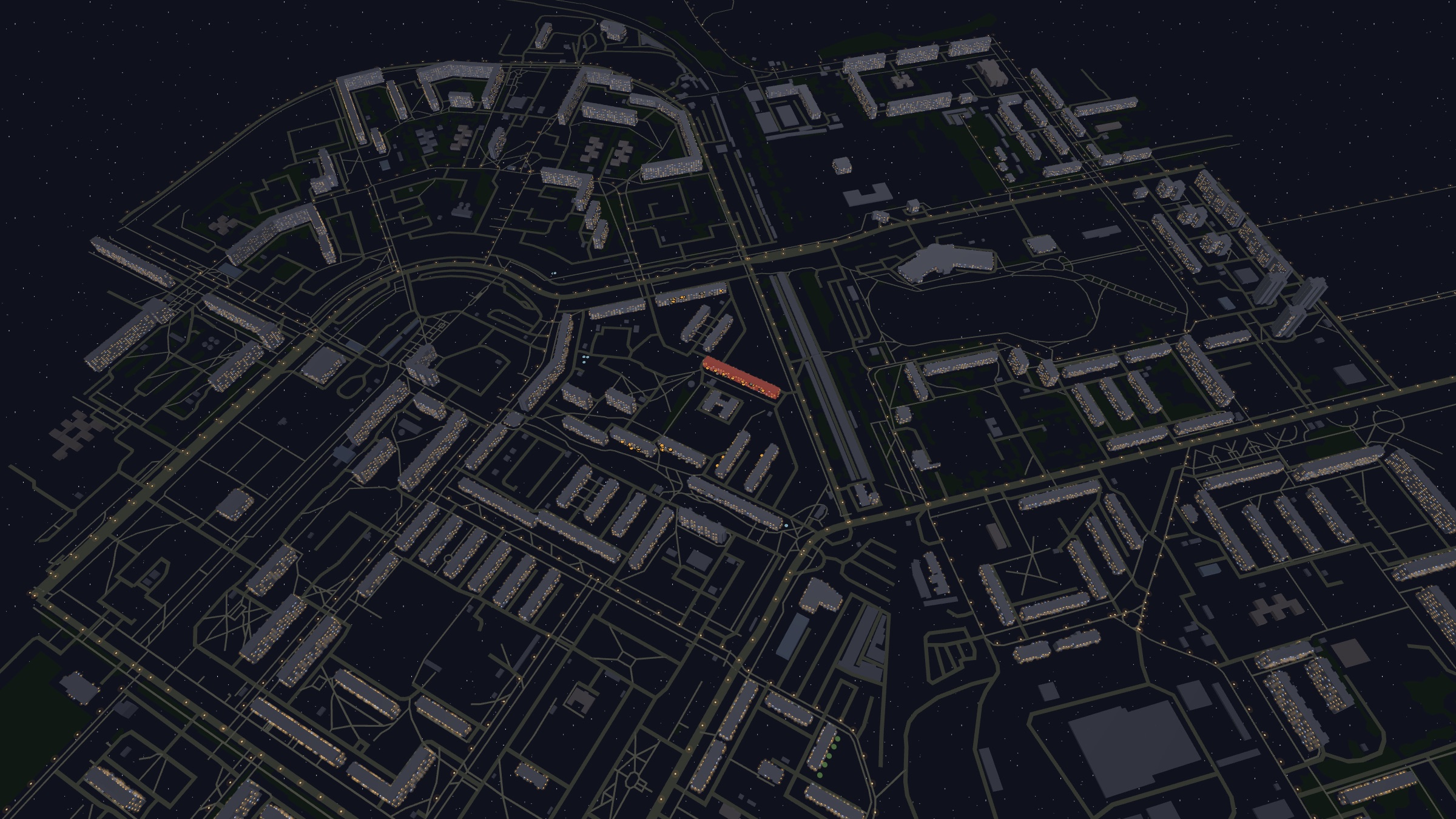
The world
A resident is not a one-off prompt. Each one carries a life forward from tick to tick, so behaviour on day twenty depends on what happened on day three.
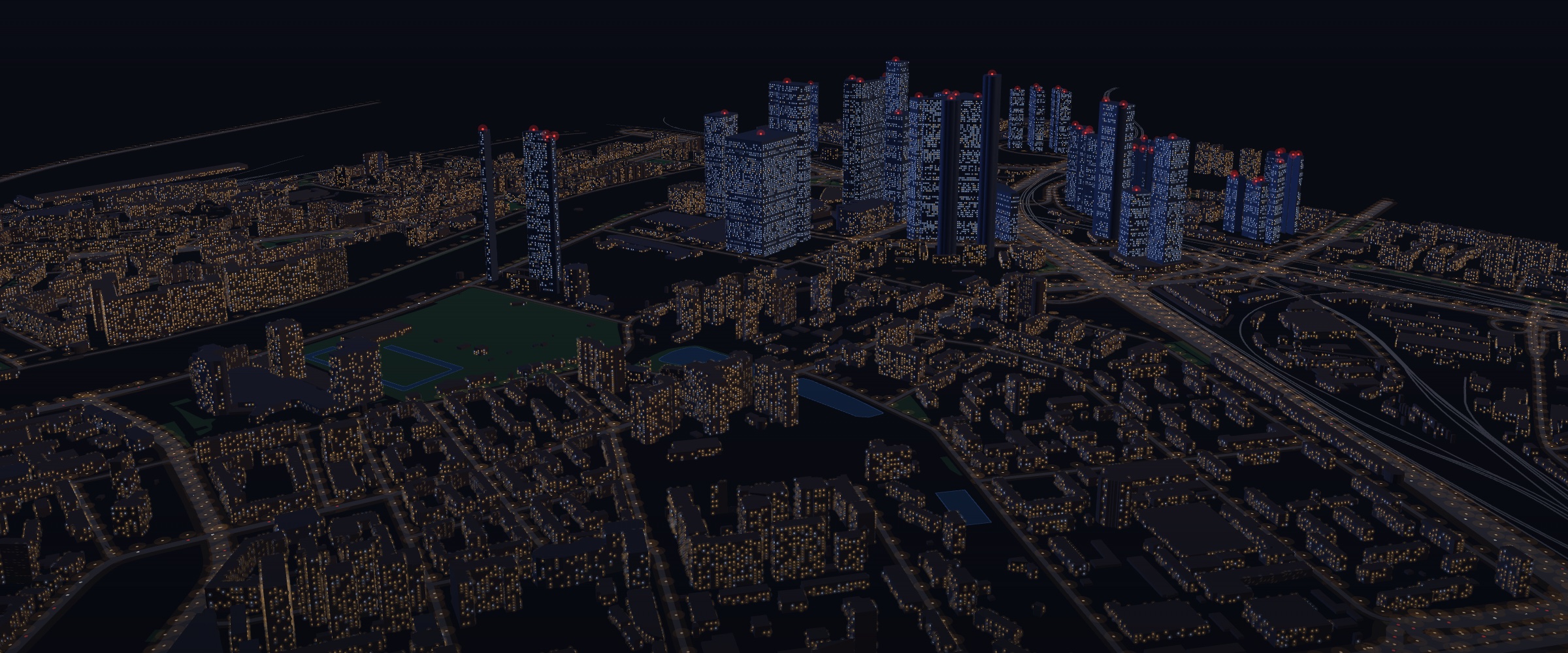
Residents
Every resident has a biography, money, a daily routine and neighbours. They keep memories, form thoughts during the day and reflect at night on what happened.
Rules
A language model suggests what a resident wants to do. A separate arbiter with fixed rules decides the outcome, so nobody can invent money or results that the world does not allow.
Skills
What a resident learns is stored with skillmem, our open-source memory layer: useful skills get stronger, unused ones fade. Residents change over time instead of resetting.
What we test
A launch is expensive to repeat. A season in Agentarium is not. We run the same district with and without a product, or with two versions of it, and compare.
Residents bring everyday problems to a product: a contract to check, a trip to plan, a bill that looks wrong. We see which tasks it handles and where it fails.
Part of the district gets the product, the rest is a control group. We watch who starts using it, who drops it, and whether neighbours hear about it.
We stage situations that are hard to test on real people: a caller who rushes a resident into a payment, a confusing offer, a service outage.
↳ First customer: our own assistant, Liza. It lives in the residents' phones, and the district is where we look for its failures before real users find them.
Limits
Synthetic residents are not a sample of a real market. We say so up front, because the value of the method depends on not overstating it.
What it gives
Which of two versions residents prefer and why, which tasks break the product, which messages are misunderstood.
What it does not give
Agentarium does not predict conversion or market share. Findings are hypotheses to confirm with real customers.
Isolation
The simulation runs in an isolated environment with no access to outside systems. Residents are synthetic personas; no real customer acts inside it.
Research partnership